VISUAL LITERACY/PICTUREBOOKS
ANIMAL MASQUERADE
Marianne Dubuc
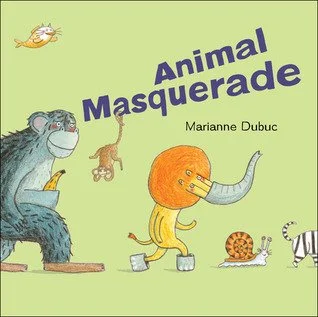
Animal Masquerade is a little nugget. A book that involves being silly, lots of talking, laughing and guessing.
Kids Can Press · 2012 · AGES 0-6

01
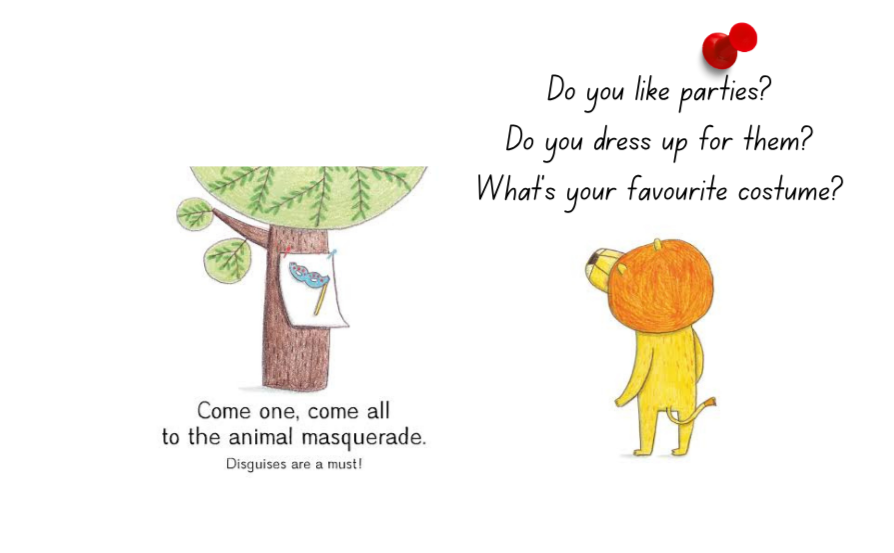
TALK ABOUT PARTIES
Poor little lion is not sure what to wear.
Help the lion with costume ideas.
02
THIS LOOKS DIFFERENT
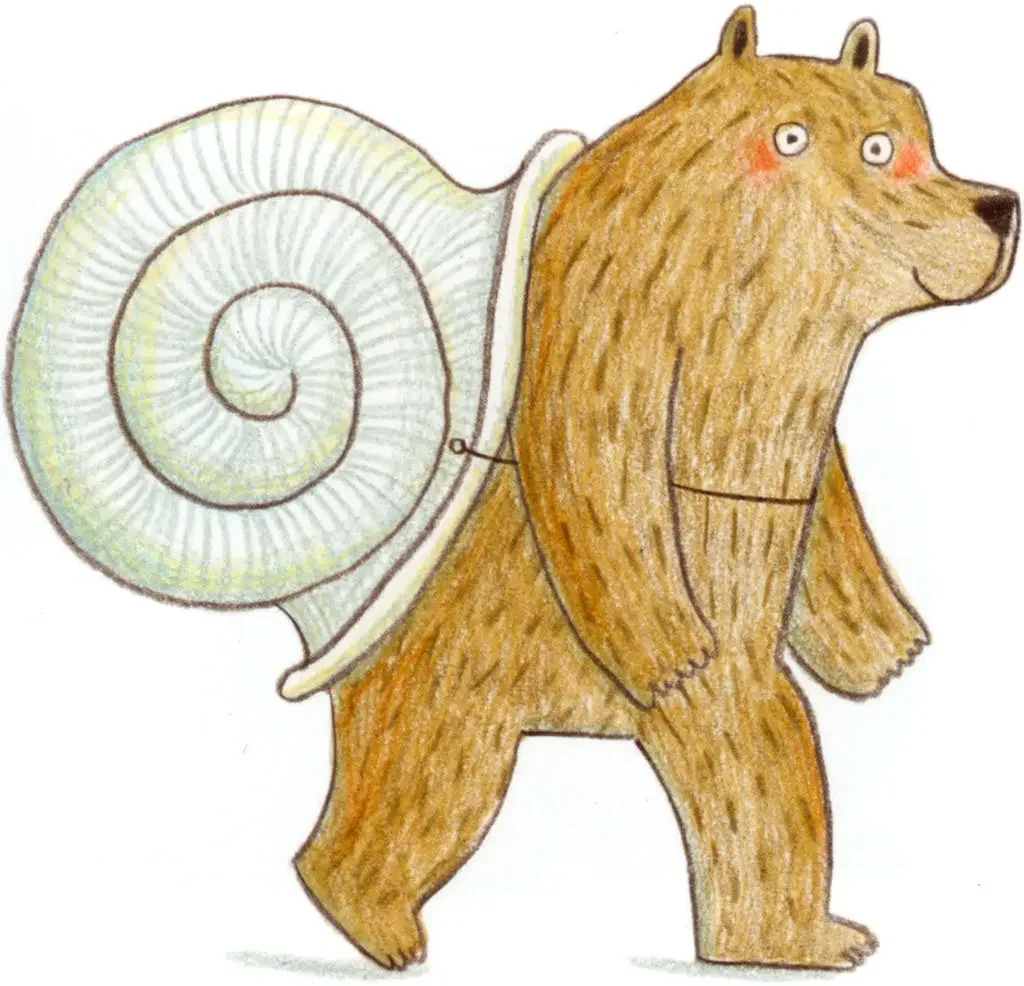
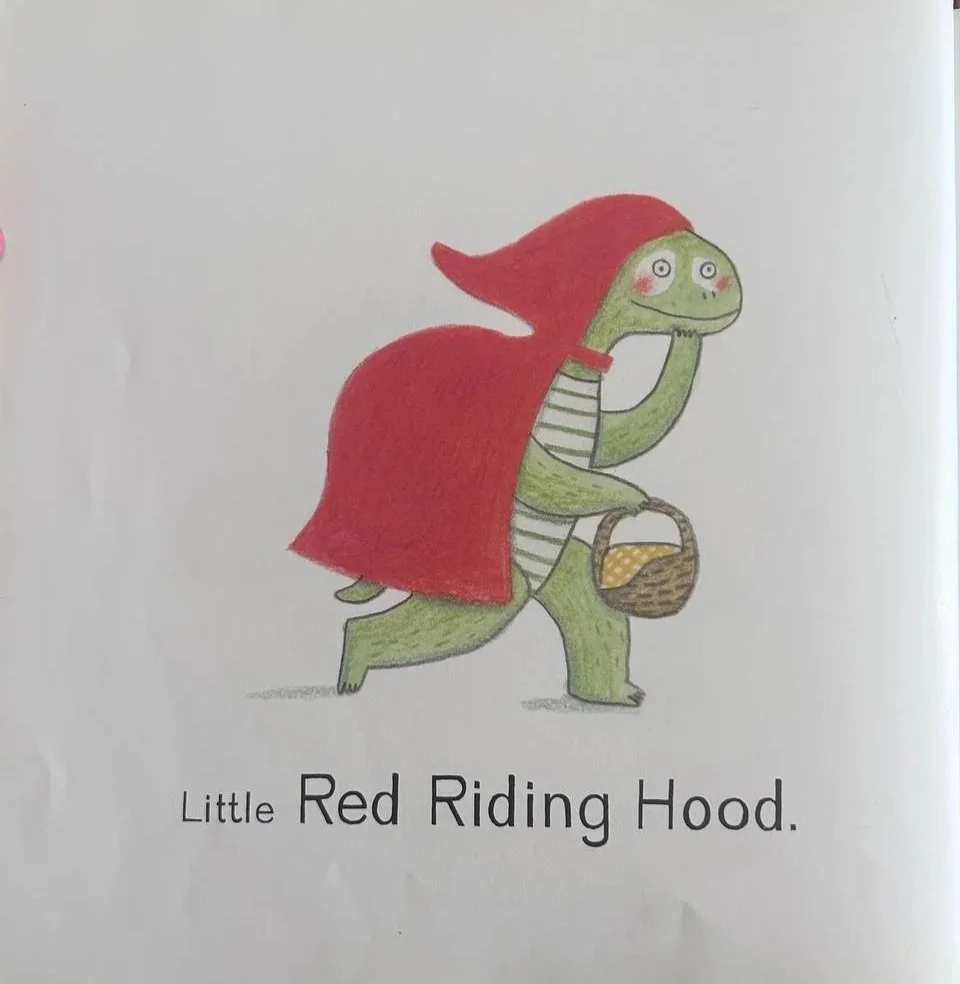
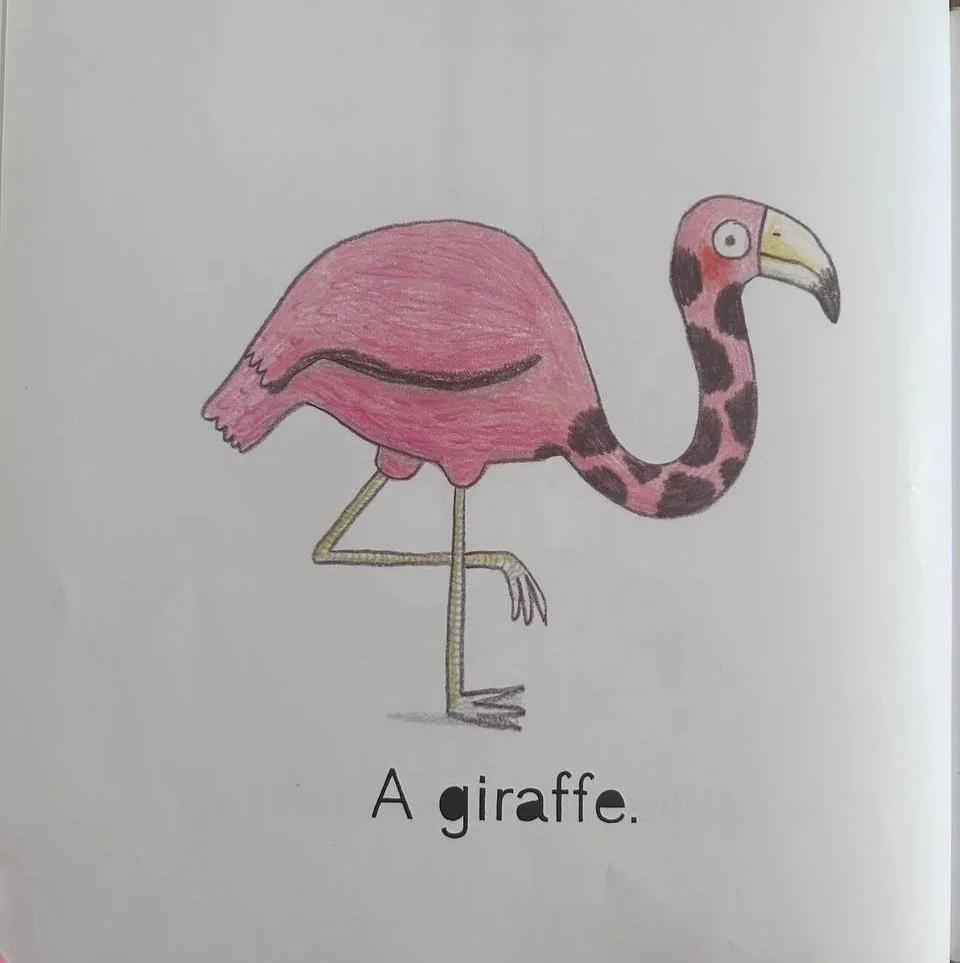
The book offers multiple opportunities for discussion. You can criticise the animals’ choices.
Does this disguise work?
03
ONE BOOK. MANY STORIES.
Marianne Dubuc made this complex book look simple. But when you start going through pages you see how many things get mentioned.
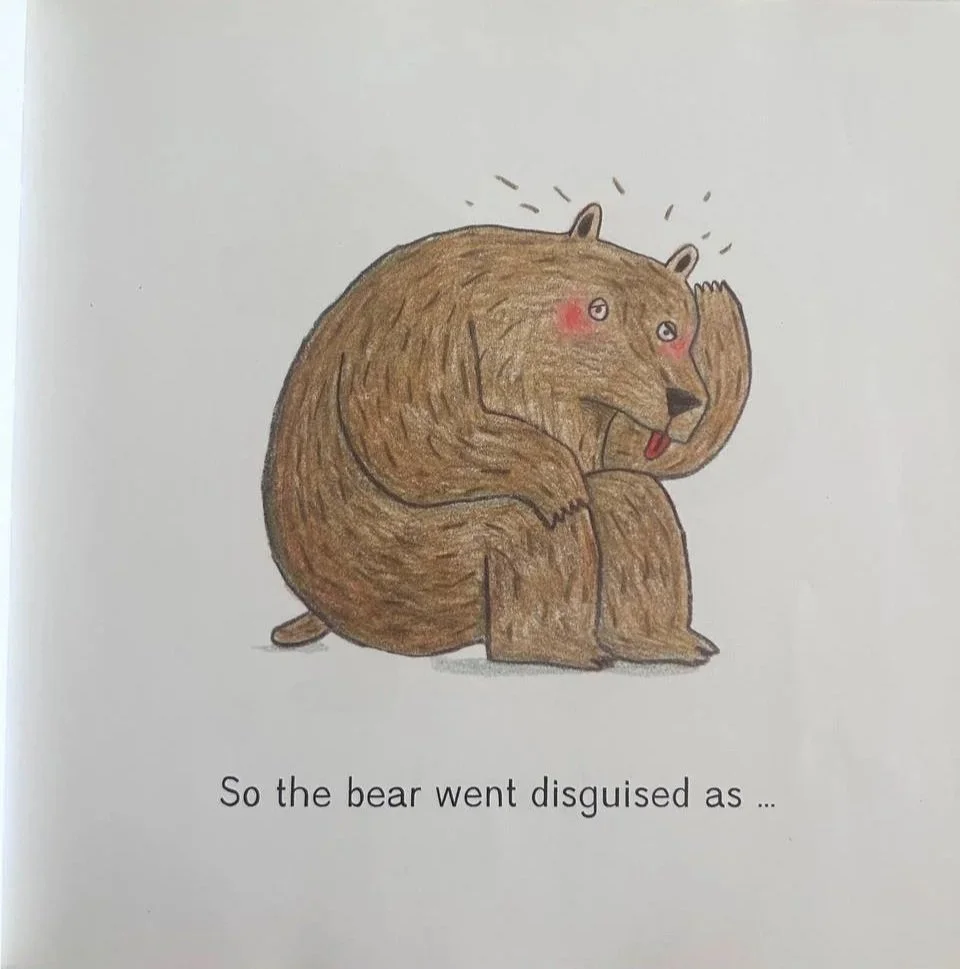
Do you have a favourite character? What animal would look good playing it?
04
AND MANY MORE
Colours, patterns, characters, personalities and many more things.
READ MORE
A CLOSER LOOK AT ANIMAL MASQUERADE
Animal Masquerade is a little nugget. I read it with my youngest students and it was a success. At this age, lessons should be visual and interactive, with lots of movement and imagination. Animal Masquerade works beautifully because it’s playful, repetitive, and encourages children to think creatively about animals and pretend play.
This book involved a lot of talking, guessing and laughing. We first talked about parties and dressing up. We offered the lion some help and threw in ideas on best costumes. How can a lion disguise himself? As a cat? As a rat?
If your students have limited vocabulary and are only starting to learn English, you can ask simple questions and expect one-word answers — for example, a dog or a toad.
But if their age and knowledge allow, ask them to explain their choice. A lion is big, so he can't disguise himself as a frog. He needs to wear a tiger costume. Or: A lion is yellow, so he could disguise himself as a starfish.
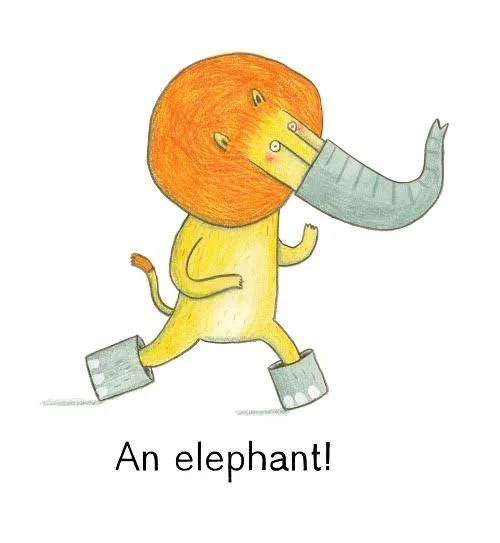
Unlike a lot of books for younger children, Animal Masquerade is 120 pages long. It’s long enough for you to try different ideas while reading it. So you can switch from one activity to another. When we had enough of suggesting our own ideas and explaining them, we had a Guess the Animal competition. I gave away points for the smartest and the quickest answers. Before showing the pages to the kids, I was describing the animals. For example, the lion wanted to be seen and heard from afar, for that day he wanted to wear a costume of a huge and gentle animal. It looks clumsy. It has thick skin and is not furry. It’s grey. (Every new sentence gave away more about the animal and made it easier to guess.) And when someone would say ‘elephant’, I would show them the actual picture.
Then described what the elephant wanted. I knew that he wanted to disguise as a parrot. So I went with: he wanted to learn to fly, etc. With a group of slightly older children my description was slightly longer. The elephant was fed up of being grey and heavy. He wanted to fly and live a very colourful life. He wanted to be the chattiest bird in the world….
You might also want to make short funny stories about the animals. Maybe someone dreams of being disguised as a fairy tale Character. Their grandma reads stories every day and they even have a favourite one. They don’t remember the exact title but the main character is a girl and she wears a red cloak.
Every few animals I would pause the game and talk about our favourite animals. We also chatted about the reasons why some people and animals want to dress up and pretend. It can later develop into a Science lesson about disguise.
LEARNING WITH GREGORY HALL SCHOOL
WE DON’T JUST READ BOOKS.
WE LEARN HOW TO LOOK.
Our literature classes teach children to notice what others might miss - to question pictures, follow visual clues, make connections and discover how stories work.