VISUAL LITERACY/PICTUREBOOKS
CINDERELLA: THE REAL STORY
Jan Burchett · Sara Vogler · Omar Aranda
Cinderella: The Real Story retells a story children think they already know through emails, gossip, advertisements, lists and other everyday forms of communication. In the classroom, every new format becomes an invitation to change voice, audience and point of view. This book is full of prompts for your Creative Writing class.

PEARSON EDUCATION · 2011 · AGES 7-13
01
CHANGE THE STORY

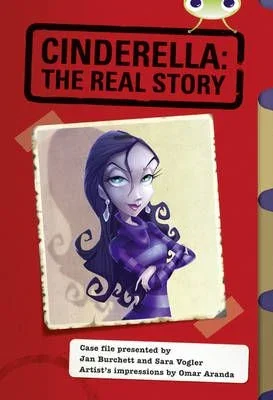
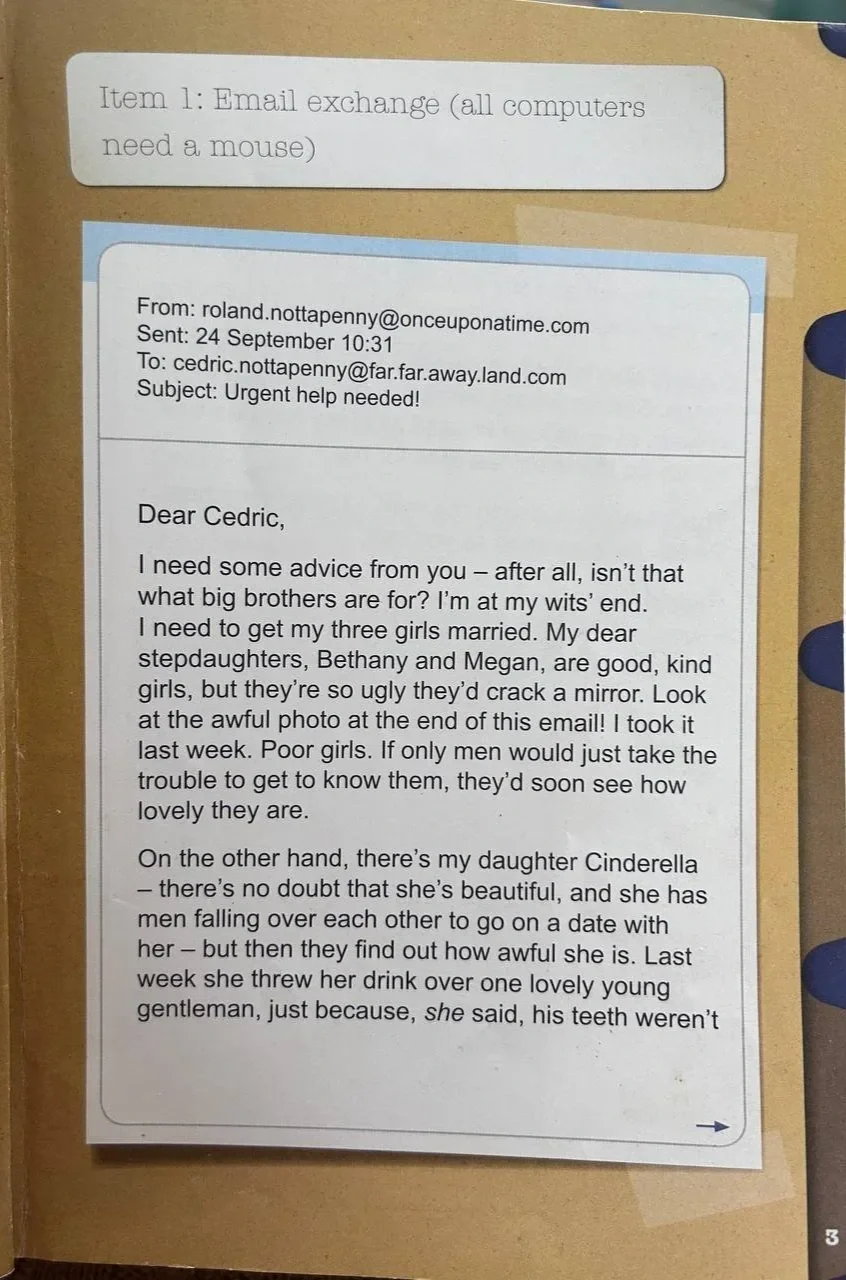
Cinderella is the baddie.
What happens when something children “know” suddenly becomes unreliable?
This book can be a great starting point for a block of lessons devoted to twisted tales.

02
STAY IN ROLE
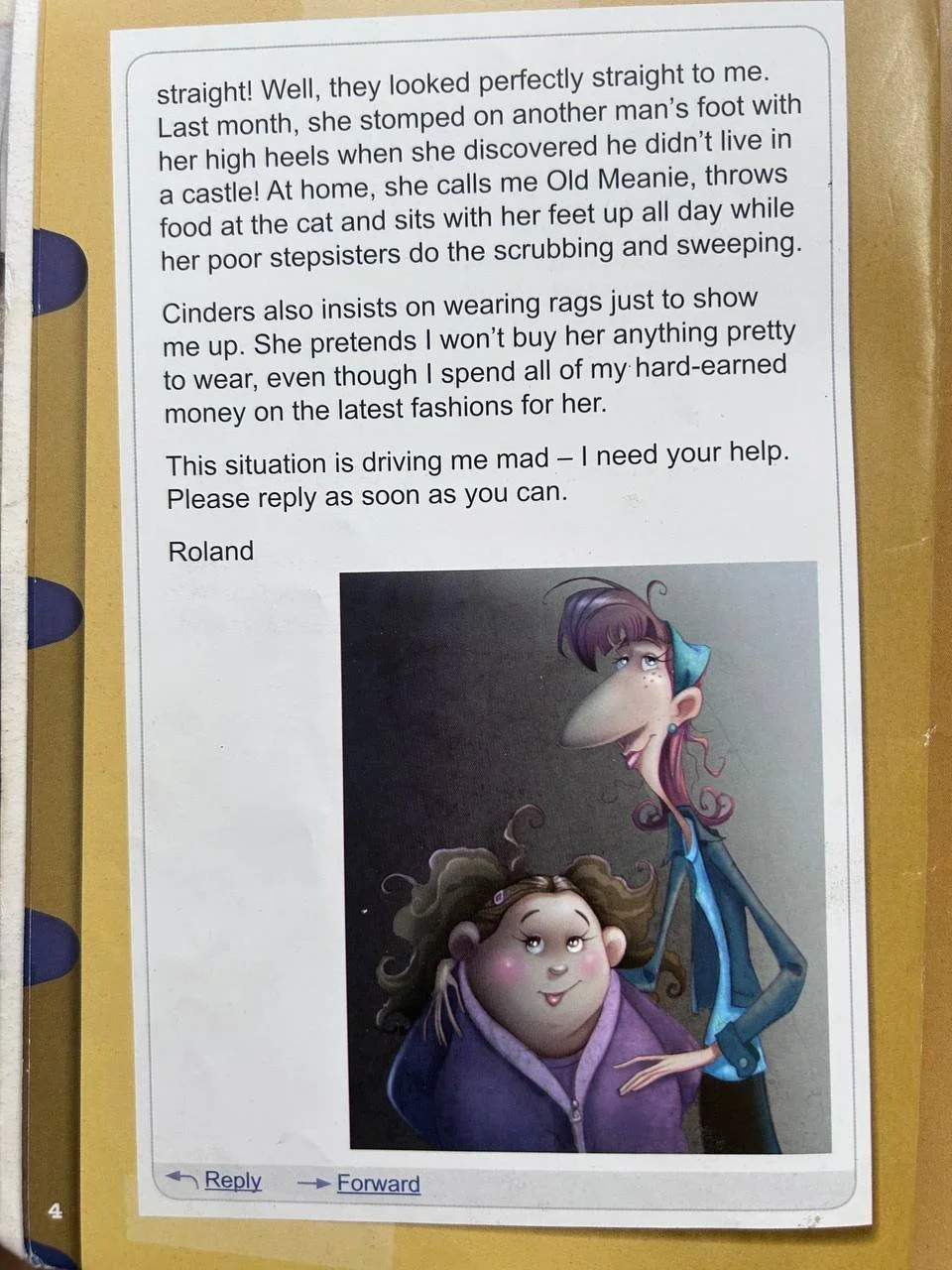
Keep the children inside the story. Turn the classroom into a parents’ evening: each child becomes Cinders’ teacher. What would the teacher need to tell her dad? And how might he respond?
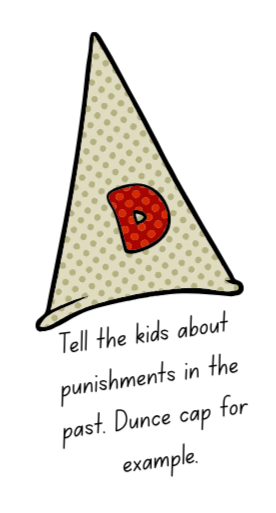
Think of an appropriate punishment for her.
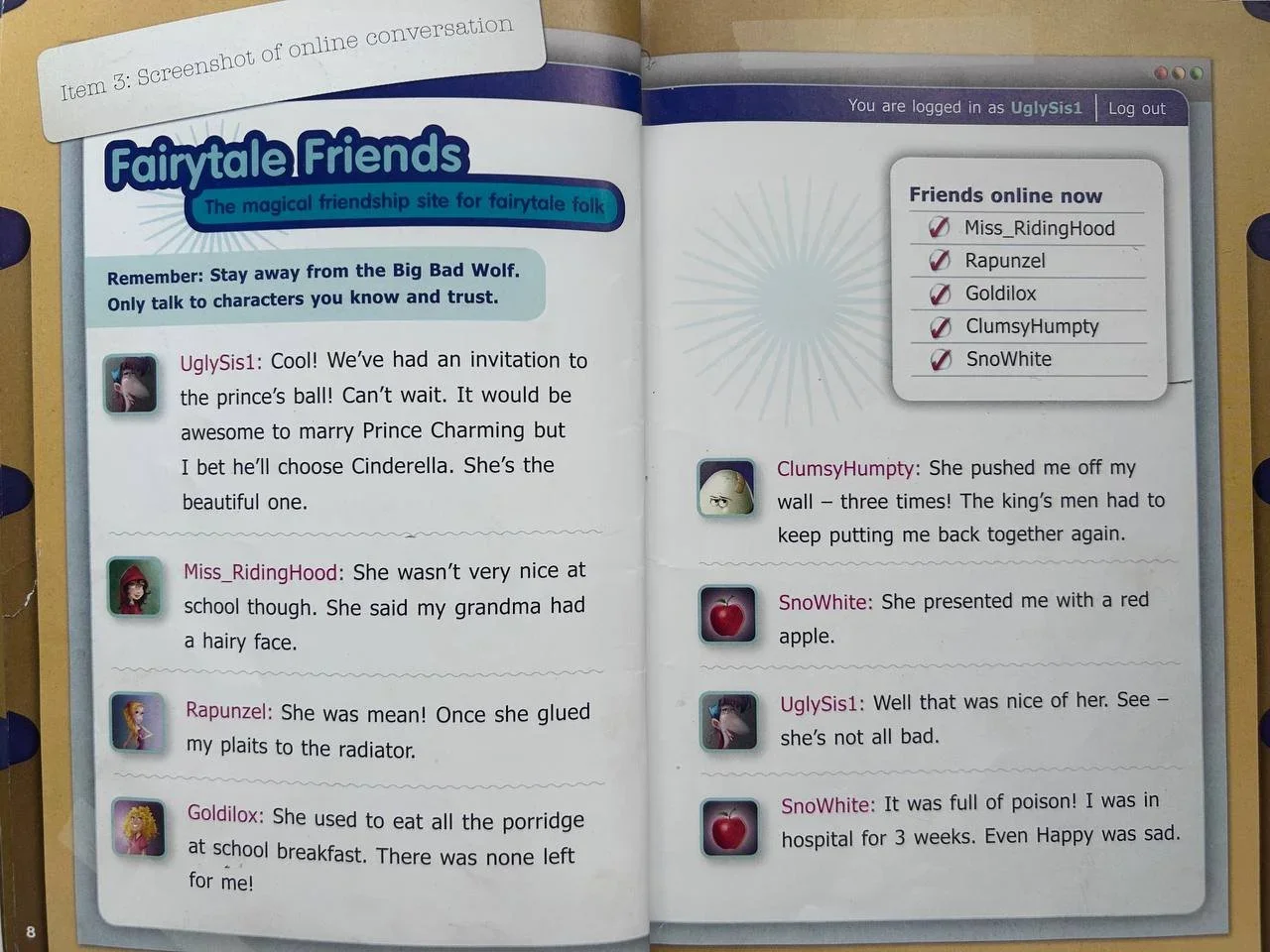
03
JUST A BIT OF GOSSIP
Create a group chat for Cinders’ schoolmates and neighbours - and let the children gossip away.
Who saw what? Who heard something from somebody else? Who complains the most? Is it okay to moan about your mates? Who defends Cinders?
04
WRITE LIKE THEM
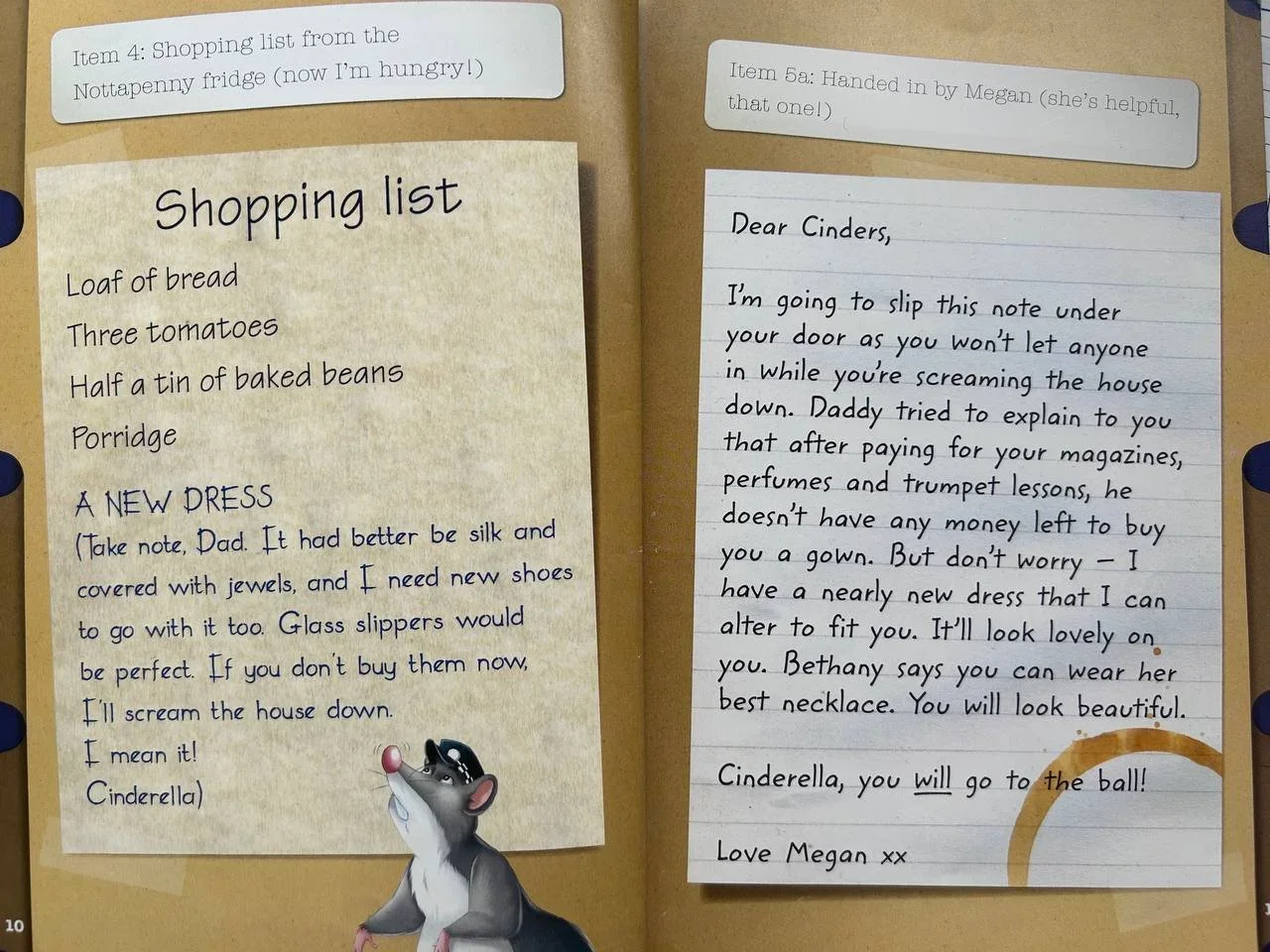
Once you know a character, even an ordinary shopping list can tell a story.
Ask the children to write a shopping list for different fairy-tale characters. What would Humpty Dumpty need? What would Little Red Riding Hood put in her basket?

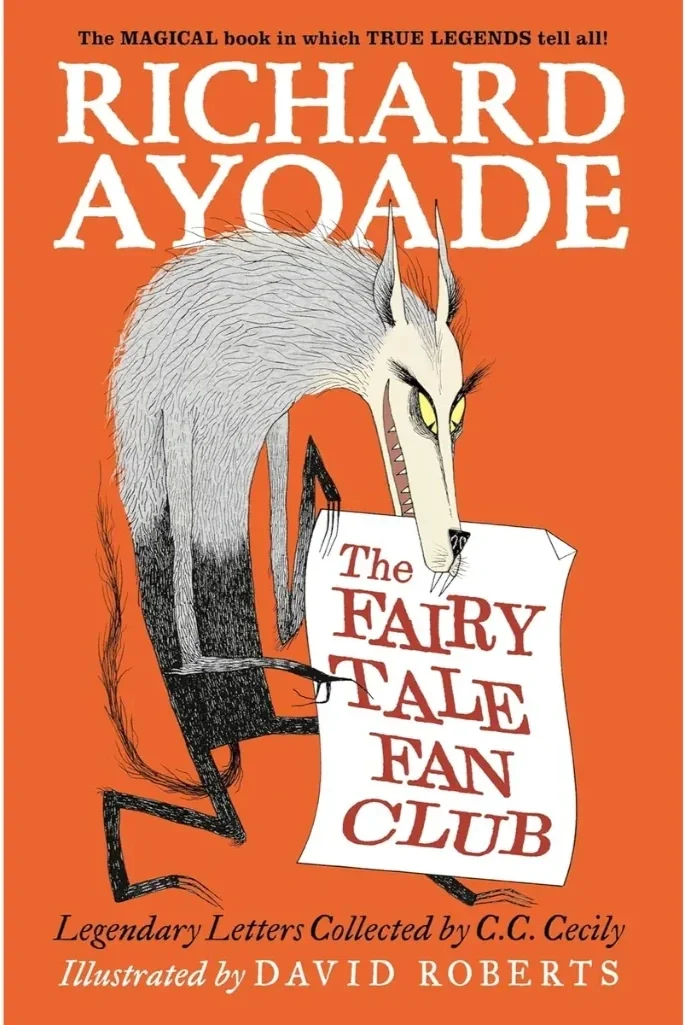
The Fairy Tale Fan Club was the next step after Cinders. This book led to a fantastic project. I split my students into two groups. The younger children wrote letters to their favourite fairy-tale characters. They also sent gifts to them. For example, a Mermaid got a comb, Puss in Boots got a pack of cat biscuits. The older children took on the harder job: they became those characters and wrote back. They challenge was to stay in character. They also sent the little kids presents. For example, Little Red Riding Hood sent over a basket with jam jars, biscuits and lovely cards from her grandmother.

LEARNING WITH GREGORY HALL SCHOOL
WE DON’T JUST READ BOOKS.
WE LEARN HOW TO LOOK.
Our literature classes teach children to notice what others might miss - to question pictures, follow visual clues, make connections and discover how stories work.